Lime and Myrrh
There’s a quiet power in the moment before scent meets skin. That inhale, small as it seems, is part of an ancient ritual that links us to those who have long known fragrance as medicine, memory, and prayer.
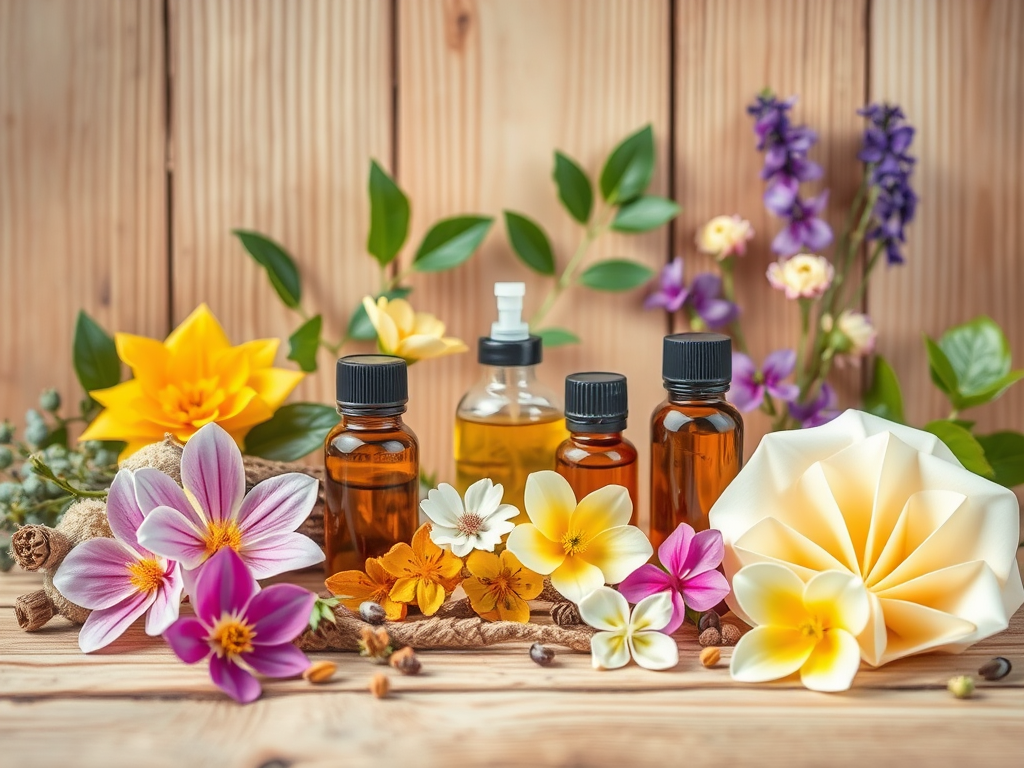
At Clean & Fragrant, I began this project with one question: what does it mean to smell good without forgetting where those smells come from?
For me, it begins with lime and ends with myrrh. Lime, sharp and bright, is the citrus pulse of the Caribbean where ancestors washed away heat and worry with limewater baths. Myrrh and frankincense, resins traded along African and Arabian routes, were offerings before they were commodities. Each holds a history far older than the glass bottle it now sits in.
When I smell palo santo, I think not of trendy boutiques but of the Quechua and Aymara peoples who burned it to cleanse space and spirit. True palo santo is harvested only from fallen branches, never living trees. When I write about it here, it is with gratitude for the lineages that have used smoke as prayer long before “wellness” was a word.
Oud and white musk are my balancing act. Oud, the deep resinous wood from Southeast Asia, still feels like mystery — it can take decades for an aquilaria tree to produce that dark oil. White musk, in its clean synthetic form, is the modern echo of animal musk once gathered through violence. I prefer its cruelty-free reincarnation.
Champaca flower and bergamot remind me that scent is not only luxury but labor. Champaca blossoms are handpicked before dawn throughout South Asia. Bergamot’s delicate rind has carried the scent of Calabria across continents.
Basil and sage are where body meets home. Both grow in small pots by my kitchen window. Both cleanse in their own way. Sage, especially, belongs to Indigenous North American ceremonies and should never be taken from wild plants without consent or context. There are many ways to honor that practice without appropriation — growing your own garden sage, burning rosemary instead, or simply breathing intention rather than smoke.
When I write about fragrance, I am writing about lineage, land, and the ethics of pleasure. Clean does not mean sterile. It means clear about origin.
Here you’ll find research, stories, and scent experiments inspired by traditions of the Global South and by my own restless curiosity. I’ll share brands that work with transparency, not perfection, and materials that respect both the skin and the soil.
Smelling good can be an act of remembrance.
 Clean and Fragrant
Leave a comment